A Beginner’s Guide to Stress-Free Meal Planning
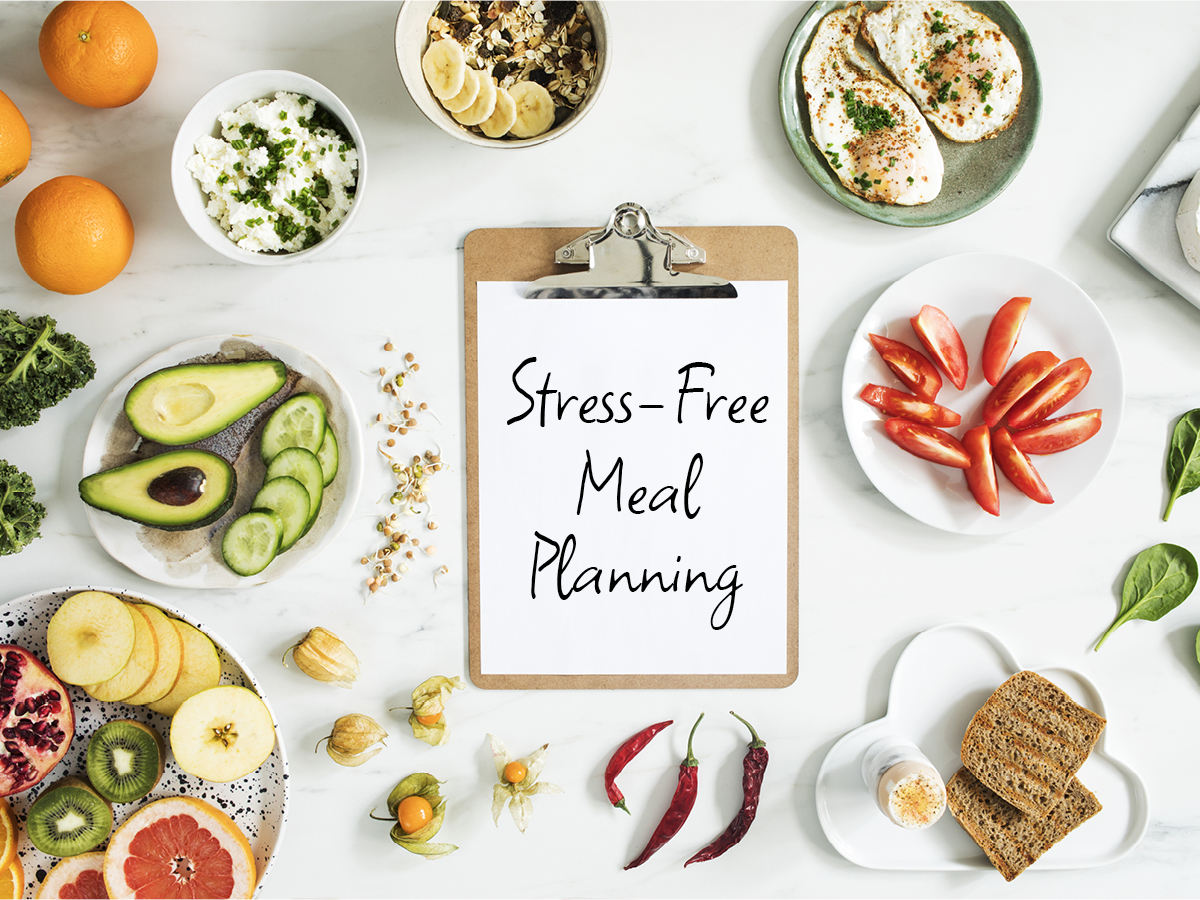
Meal planning can feel overwhelming at first, but once you get the hang of it, it becomes one of the easiest ways to save time, reduce stress and stay organised in the kitchen. If this is a habit you’d like to improve on this year, the good news is that it doesn’t have to be complicated. Here are a few simple steps that can make all the difference:
1. Have a clear goal: Start by knowing what you want to achieve. Having a clear goal helps you tailor your meal plans and adjust them if your needs change. Your goal might be to:
- Eat healthier
- Avoid food wastage
- Save money
- Save time
While all of these are great, try to choose the ones that matter most to you. This makes it easier to measure how well meal planning is working and to tweak things along the way to stay on track.
2. Your schedule: Plan your meals around how busy your week is. For busier days, choose quick and easy recipes, here are some options from our website. On slower days, you can take more time to explore new or slightly more involved recipes.
3. Budgeting: Decide on your budget before planning your meals so you know which ingredients to work with. To save money, it’s best to choose meals that use overlapping ingredients. Shopping with a list also helps limit impulse buys and keeps you focused.
4. Nutritional balance: Your meals don’t need to be perfect, but aim for balance. Include protein to keep you fuller for longer, carbohydrates for energy and healthy fats as part of your meals.
5. Storage and left overs: How you store your food affects how fresh it stays and how long it lasts. Proper storage also makes leftovers easier to use for future meals.
Over time, you’ll figure out what works for you and what doesn’t. Be flexible and allow yourself to switch things up when needed. As you gain more experience with weekly or monthly meal planning, you’ll be able to fine-tune the process to better suit you and your family’s needs.